Industries
Aviation, Ports & Logistics
Throughput is the specification
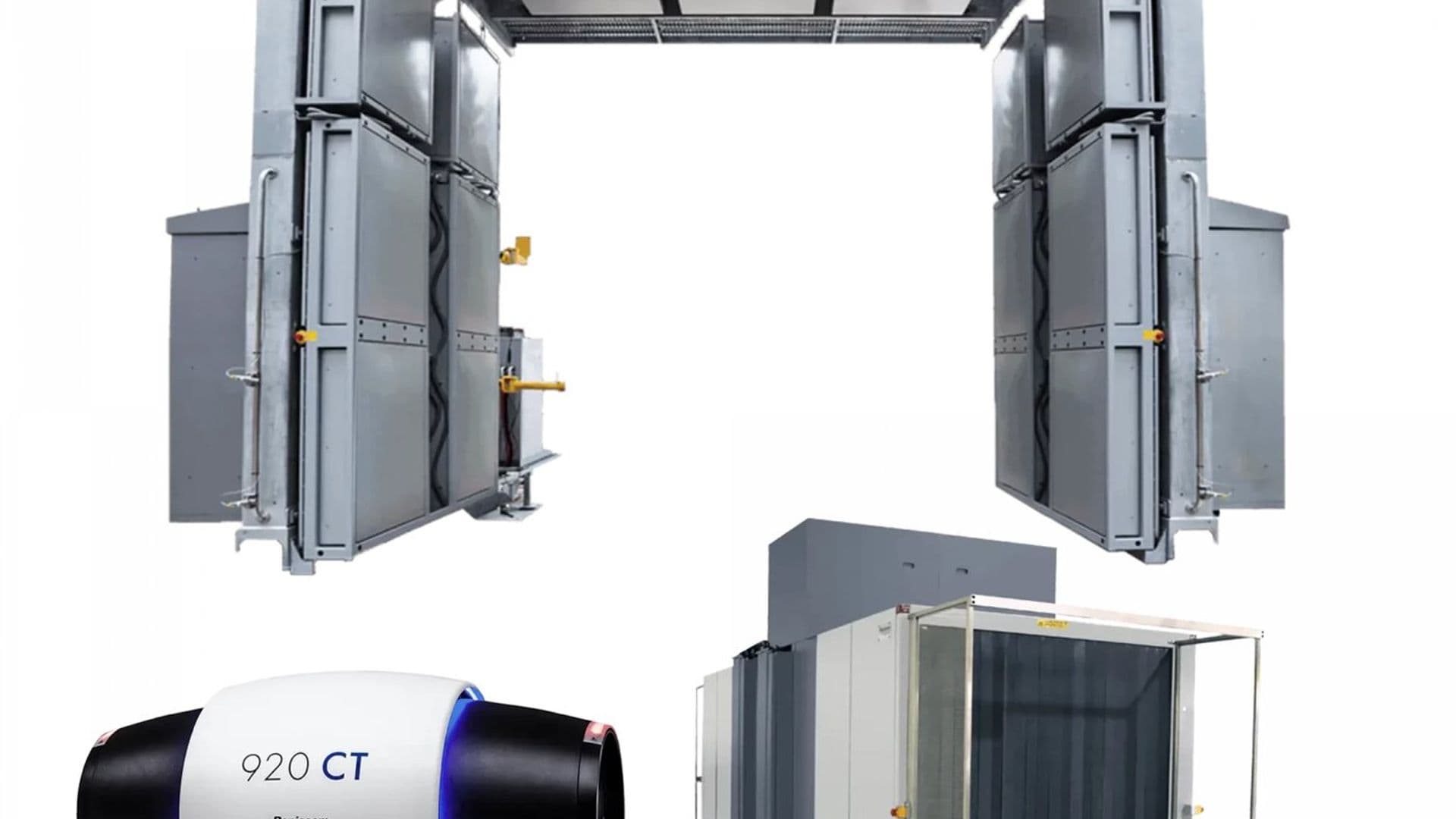
Landside vehicle protection, staff and crew entrance control, cargo screening and gate automation for airports, seaports, customs points and logistics terminals — designed against peak flow rather than average flow.
Transport sites are measured in movements per hour, so every control carries a cost in time. A turnstile taking four seconds instead of two doubles the queue at a shift change of two thousand staff. The design question is never only whether a control is secure, but what it does to the flow it sits inside — and that is modelled before procurement, not discovered at handover.
Landside and airside are different security problems sharing one boundary. Landside is public, crowded and vehicle-dominated: setback protection, crash-rated barriers at terminal frontages and drop-off lanes, and ANPR on car park entries. Airside is credentialed and audited, where the requirement is positive identification of every person and vehicle crossing the line, with a reviewable record of each crossing.
Cargo and customs terminals invert the priority: the vehicle itself is the subject. Under-vehicle inspection, X-ray screening for palletised freight, weighbridge integration and ANPR tied to the gate transaction let a truck be identified, screened and released without a manual document check at every step. The gain is in dwell time, which is what the terminal operator is actually measured on.
Twenty-four-hour operation changes maintenance. There is no overnight window in which a barrier can be out of service, so redundancy is designed in from the start: paired lanes, manual release paths, and spares held inside the Kingdom rather than ordered on failure. We schedule servicing around operational lulls agreed with the terminal, not a fixed calendar date.
Coastal ports carry the same corrosion problem as the Eastern Province energy sites, with heavier duty cycles. Barrier arms, turnstile rotors and gate operators at Dammam or Jeddah run thousands of cycles a day in salt air. Material and coating selection at specification stage is the difference between a five-year asset and a two-year one.
The logistics expansion under Vision 2030 has put new terminals, dry ports and bonded zones into procurement at the same time. What consultants most often ask us for at that stage is not a product list but a lane layout: how many gates, in what sequence, with what fallback, to hit a stated throughput.
What we supply for this sector
Speed gates and turnstiles sized to flow
Optical speed gates and full-height turnstiles selected on measured throughput for staff, crew and contractor entrances, with lane counts modelled against the peak.
Crash-rated frontage and setback protection
Bollards, road blockers and rated barriers at terminal frontages, drop-off lanes and airside access points, placed while the setback still exists.
ANPR, under-vehicle inspection and gate transactions
Plate recognition, under-vehicle scanning and weighbridge integration tied to a single gate transaction, so a truck is identified, screened and released once.
Cargo and baggage screening
X-ray screening for baggage, parcels and palletised freight, laid out so operators have space to divert and inspect without stopping the lane.
Parking and car park management
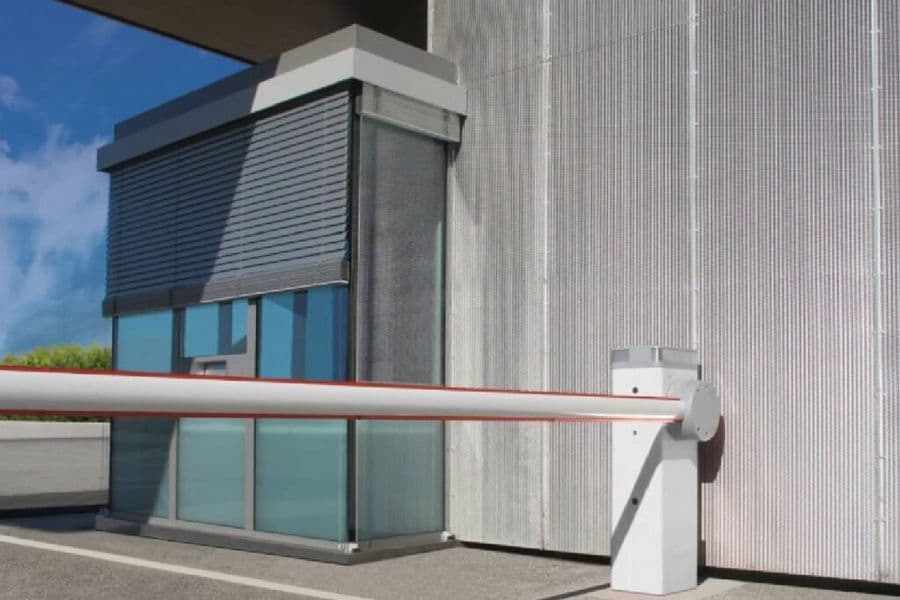
Barriers, guidance and payment for public and staff car parks, with entry lanes sized so queues never reach the public road.
Maintenance for 24-hour operations
Paired lanes, manual release paths, spares held in the Kingdom, and servicing scheduled around operational lulls agreed with the terminal.
Delivered in the Kingdom
What typically goes wrong
The failures we are called in to correct, and the ones worth designing out at specification stage.
Entrance control sized on headcount rather than on peak shift-change flow.
Landside vehicle protection added after the terminal frontage is built, when the setback is no longer available.
Gate equipment with no manual release path at a site that never closes.
Spares ordered from outside the Kingdom, turning a barrier fault into a week of lane closure.
Coastal installations specified in standard finishes and corroding under high cycle counts.
Manual document checks repeated at every step, adding dwell time without adding security.