Solutions
Gate Automation & Boom Barriers
Vehicle entrances that open on time, every time, for years
Sliding and swing gate operators, boom barriers, shutter and garage operators sized for real duty cycles. Stebilex supplies, installs and maintains vehicle gate automation across Saudi Arabia.
Most gate automation problems are specification problems. An operator rated for a light residential gate is fitted to a six-metre steel sliding gate at a plant entrance, and it fails within a year of shift traffic. Sizing starts with gate leaf weight, length, wheel and track condition, wind load on infill panels, and the number of cycles per day the entrance will actually see, not the number in the brochure.
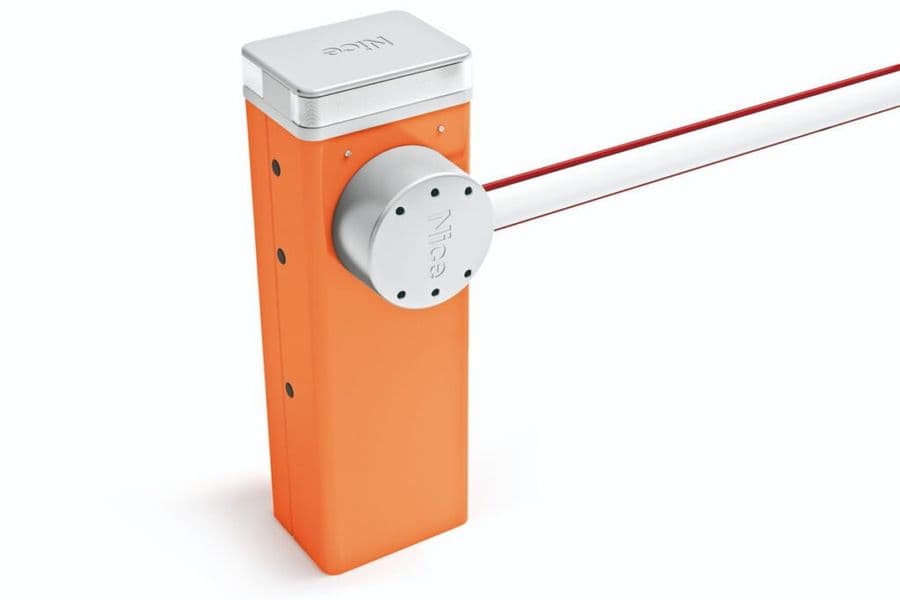
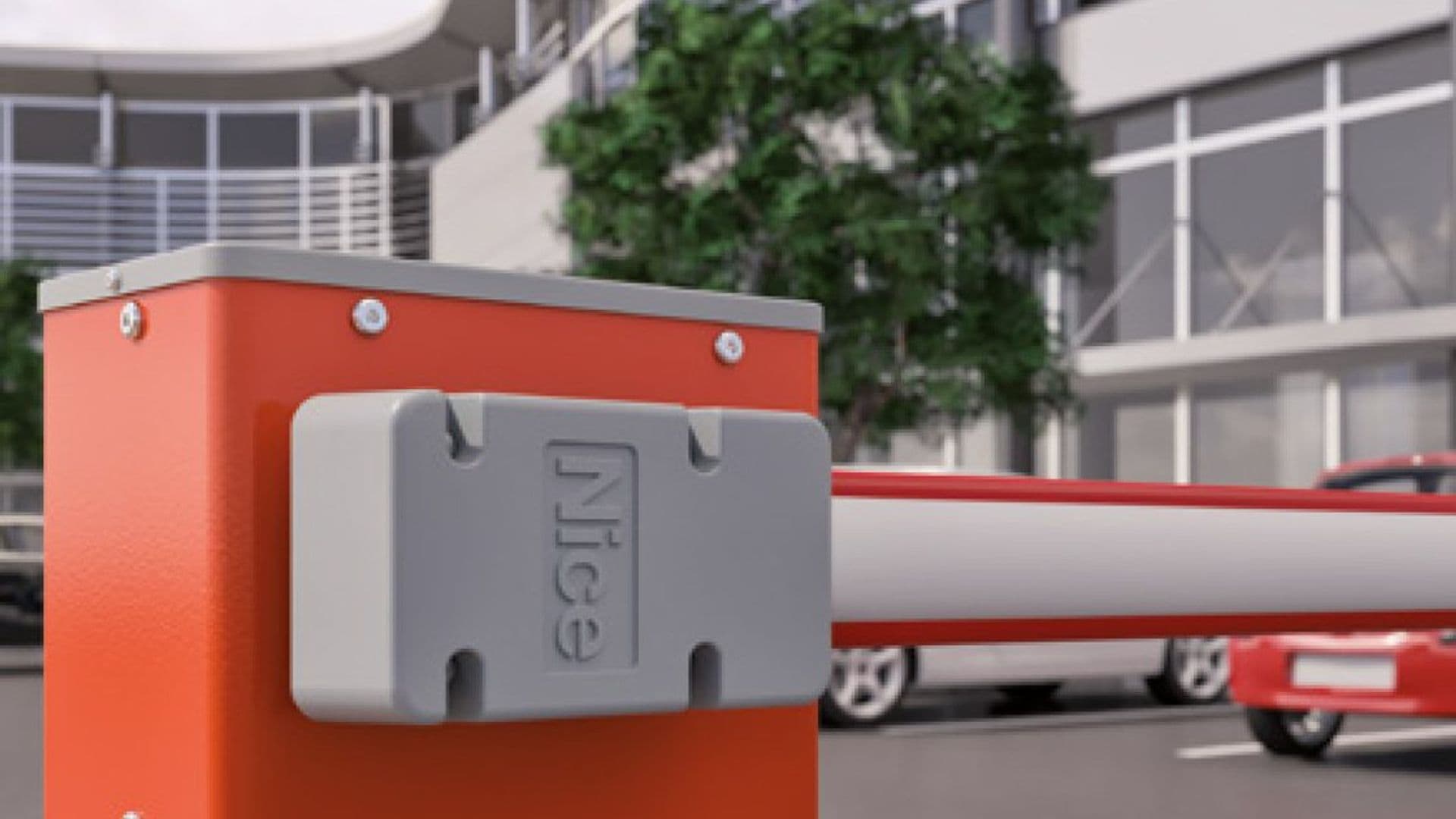
Boom barriers are the workhorse of vehicle access in the Kingdom, and they are chosen by duty rather than by price. A barrier at a residential compound may open forty times a day. A barrier at a staff car park or a refinery gate may open two thousand times a day and needs an intensive-use operator with a brushless motor, a proper counterbalance and a control board designed for continuous operation. We match the model to the cycle count and quote the maintenance interval honestly.
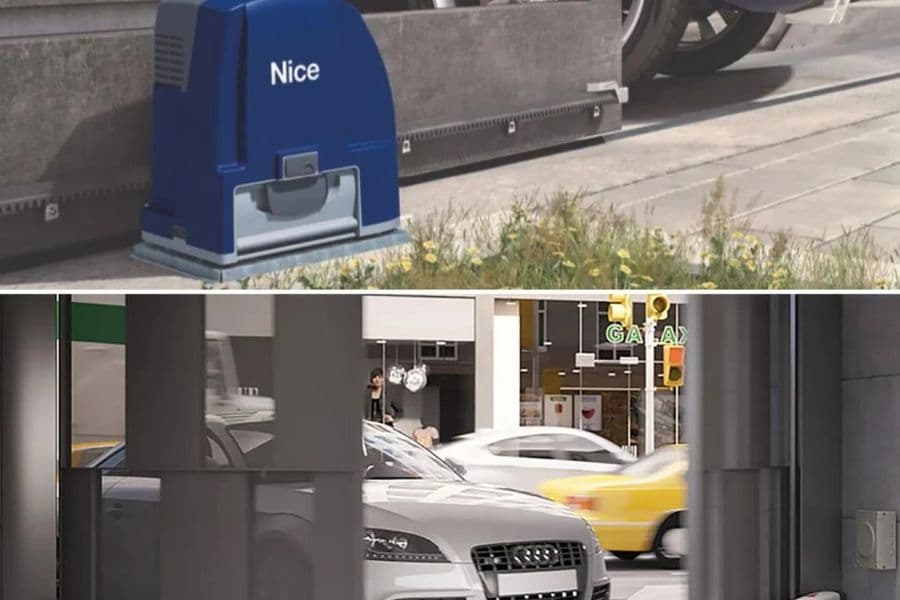
Sliding gate operators handle the industrial and commercial cases where space is tight: warehouse yards, plant entrances, compound gates. Swing operators suit villas and lower-traffic commercial entrances. Rolling shutter and sectional door operators cover loading bays, workshops and car park entrances. Across all of them, the decision points are the same — duty rating, single or three-phase supply, manual release, and behaviour on power loss.
Safety is a code requirement, not a courtesy. A powered gate is a machine that can crush, shear and drag. Force limitation, photocells across the opening, safety edges on closing faces, correct hazard marking and a documented risk assessment all belong in the specification. European practice for power operated gates and doors is set out in the EN 12453 series, and UL 325 classifies vehicular gate operators by installation class, from single dwellings through to guarded restricted-access sites. We install to those principles and hand over the evidence.
Heat and dust are the two things that kill gate hardware in Saudi Arabia. Control boards cook in unventilated metal cabinets facing west; racks and pinions grind with sand; rubber seals go hard. We specify appropriate enclosure ratings and ventilation, protected control positions, sealed limit systems and lubrication schedules that assume the site is dusty, because it is.
The entrance rarely works in isolation. Barriers and gates are driven by loop detectors, RFID long-range readers for windscreen tags, automatic number plate recognition, intercoms, and the parking or access control system behind them. We handle that integration so the sequence is predictable: identify, verify, open, count through, close behind, and log the event against the vehicle.
For main contractors and MEP subcontractors, we supply builder's work drawings, foundation and plinth details, power requirements, loop cutting layouts and containment routes as part of the submittal package, and deliver to the construction programme. Late information on a gate entrance holds up a road handover, so we treat that information as a deliverable in its own right.
After handover, gate automation is a maintenance product. Belts, bearings, limit switches, springs, hydraulic seals and control boards all have finite lives, and a barrier that stops working at a busy exit becomes an operational emergency within the hour. Our Al Khobar and Riyadh teams carry spares for the brands we supply and work to planned preventive maintenance schedules rather than callout-only firefighting.