Industries
Giga-projects, Hospitality & Entertainment
Security the visitor never has to think about
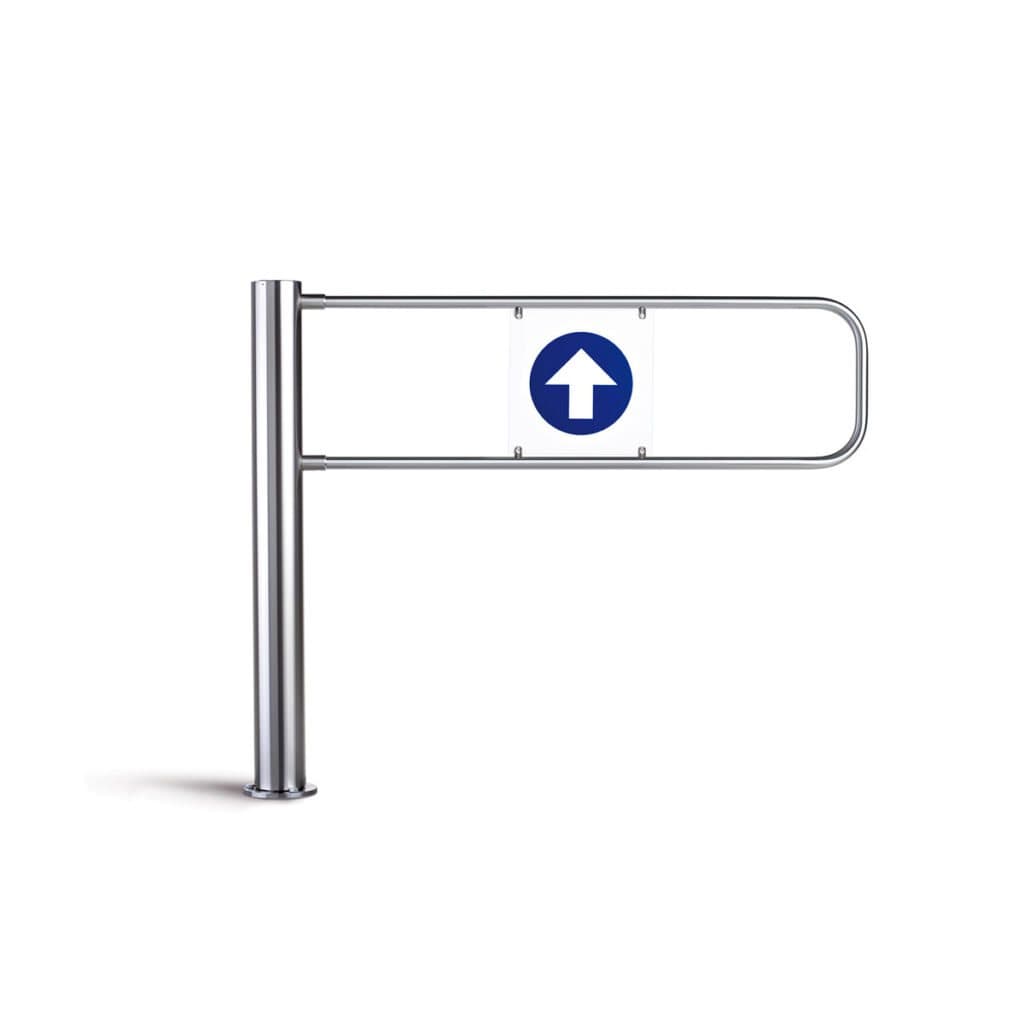
Ticketing gates, speed gates, guest access and vehicle control for giga-project districts, hotels, museums, stadiums and entertainment venues — where the security layer has to disappear into the guest experience.
In hospitality and attractions the security system is part of the product. A guest who queues at a gate, fails a scan twice or is turned back by a stiff turnstile has had a worse visit, and that shows up in the operator's scores long before it shows up in an incident report. The brief here is throughput and dignity first, enforcement second.
Ticketed attractions have a specific failure mode: the peak is enormous and short. Opening hour, a school group and a concert let-out all arrive as one wall. Ticketing gates have to read a barcode, a mobile pass and an ID card at the same aperture, fail open under supervision, and give staff a manual override that does not require a laptop and a technician.
Stebilex supplied the ticketing and speed gates for TeamLab Borderless in Jeddah, which is a useful reference precisely because the venue is designed to feel seamless. The equipment had to sit inside an architectural entrance, run at exhibition peaks, and stay invisible in a space where the visual experience is the whole proposition.
Giga-project districts are cities under construction. On the Red Sea project and its peers the security scope changes as the site matures: construction gates and worker accommodation control first, then a permanent district perimeter, then guest-facing entrances. Equipment specified for phase one is often still expected to serve phase three, so serviceability and firmware support over years matter more than headline features.
Worker accommodation is the part most specifications underestimate. Large camps need biometric attendance, controlled bussing gates, segregated visitor handling and reliable head counts for emergencies — at a scale and duty cycle closer to a transport terminal than a hotel. Getting it wrong produces daily queues and unreliable muster data, which is a safety issue rather than an inconvenience.
Hotels and resorts need the layer the guest does see to be effortless: mobile room keys, lift destination control, back-of-house segregation and staff time and attendance, all on one credential platform. Where an operator brand mandates a locking or PMS standard, the integration has to be proven before it is specified, and we test that combination rather than assume it.
Outdoor venues run in extreme heat for much of the year, and a unit sitting in direct sun at 48 °C behaves differently from the same unit in a conditioned lobby. Shaded enclosures, rated operating ranges and realistic duty cycles belong in the specification, and so does a maintenance plan that inspects seals and lubrication before the summer rather than after the first failure.
What we supply for this sector
Ticketing and admission gates
Gates reading barcodes, mobile passes and ID cards at one aperture, with supervised fail-open and a manual override staff can actually use.
Speed gates for architectural entrances
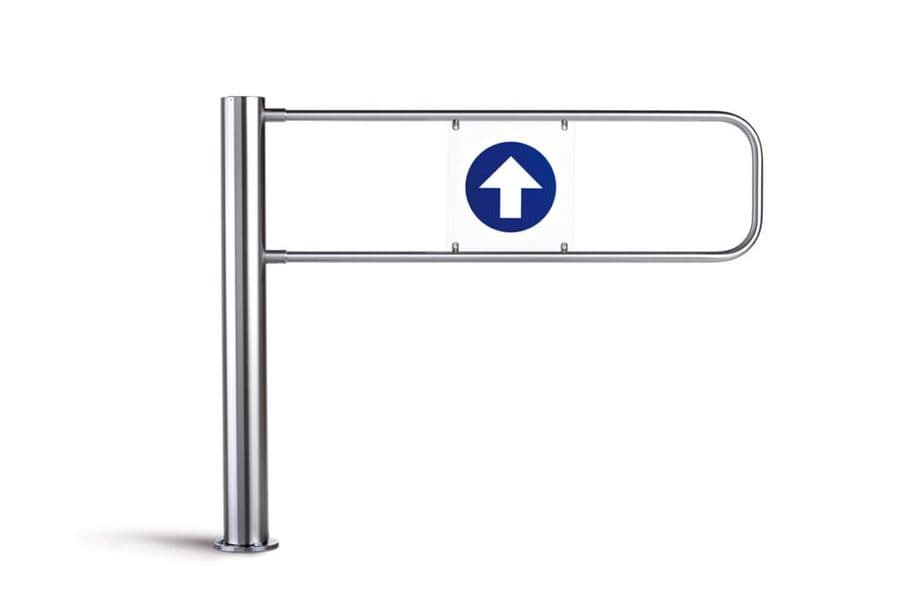
Optical speed gates specified to hold the peak while fitting the entrance design, for museums, attractions, stadiums and corporate lobbies.
Guest and hotel access
Mobile room keys, lift destination control, back-of-house segregation and staff attendance on a single credential platform, with operator integrations tested before specification.
Worker accommodation access and attendance
Biometric attendance, controlled bussing gates, segregated visitor handling and dependable head counts for emergency muster at camp scale.
Vehicle control for districts and event sites
Crash-rated bollards and barriers at guest entrances and event frontages, with construction-phase gates that can be relocated as the district matures.
Maintenance through phased handover
Servicing and spares that carry from construction through to operation, with seals and lubrication inspected ahead of the summer rather than after a failure.
Delivered in the Kingdom
What typically goes wrong
The failures we are called in to correct, and the ones worth designing out at specification stage.
Ticketing gates that read one credential type, then meet guests arriving with mobile passes and ID cards.
Entrance equipment chosen on appearance and unable to hold an opening-hour peak.
Worker accommodation access treated as a minor scope, producing daily queues and unreliable muster data.
Phase-one equipment left unsupported by the time a district reaches phase three.
Outdoor units specified without a realistic temperature range or duty cycle.
Operator-mandated locking or PMS integration assumed to work and only tested at commissioning.