Solutions
Door Automation & Locking Hardware
The door is where access control stops being software
Automatic sliding and swing door operators, electromagnetic locks, electric strikes, shear locks, exit devices and hotel locking, including hardware rated for hazardous areas. Supplied and installed in Saudi Arabia.
Access control projects are usually lost at the door leaf. The software is configured, the readers are commissioned, and then a magnetic lock is mounted on a door that flexes, an electric strike is fitted to a frame that was never prepared, and the door either fails to hold or fails to release. Getting the mechanical package right is what makes the electronic system trustworthy.
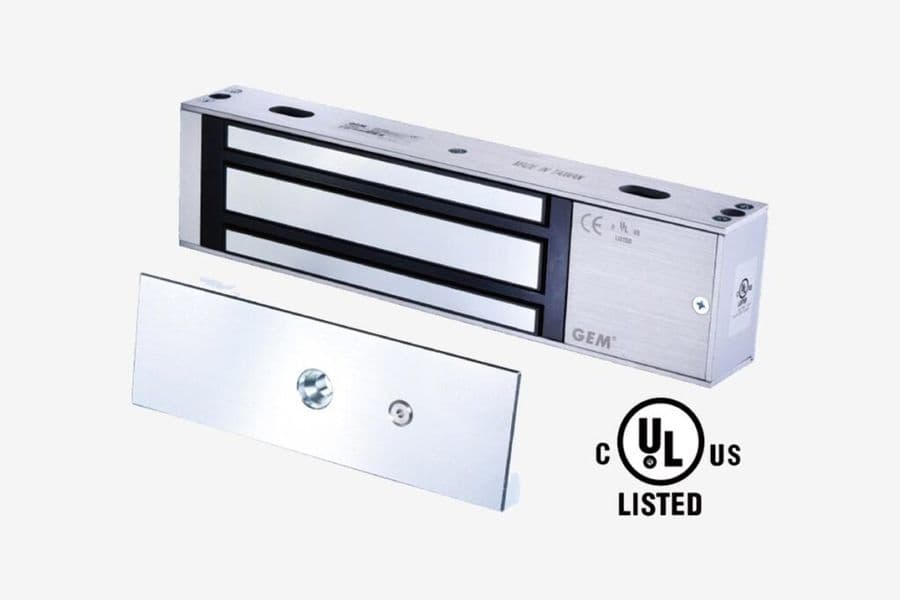
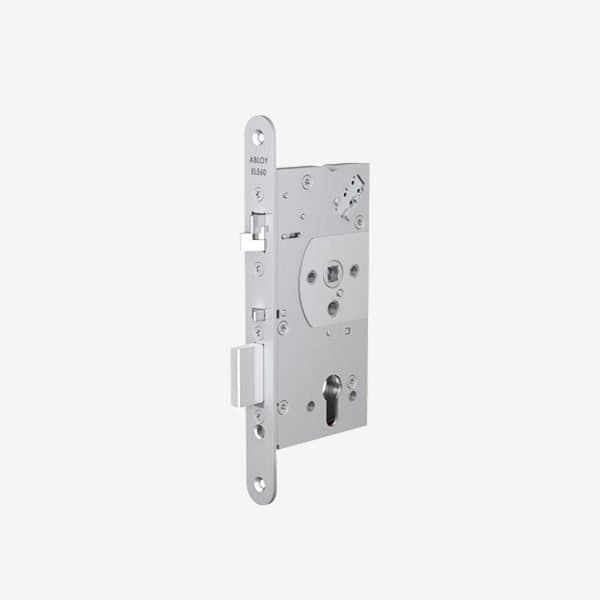
The locking device should be chosen from the door, not from a price list. Electromagnetic locks give a clean fail-safe release and suit doors on escape routes where the fire strategy requires the lock to drop on alarm. Electric strikes and drop bolts suit doors that must stay secure when power is lost. Shear locks hide inside the frame where aesthetics matter. Each of these decisions carries a life-safety consequence, so it belongs to the design, not the site foreman.
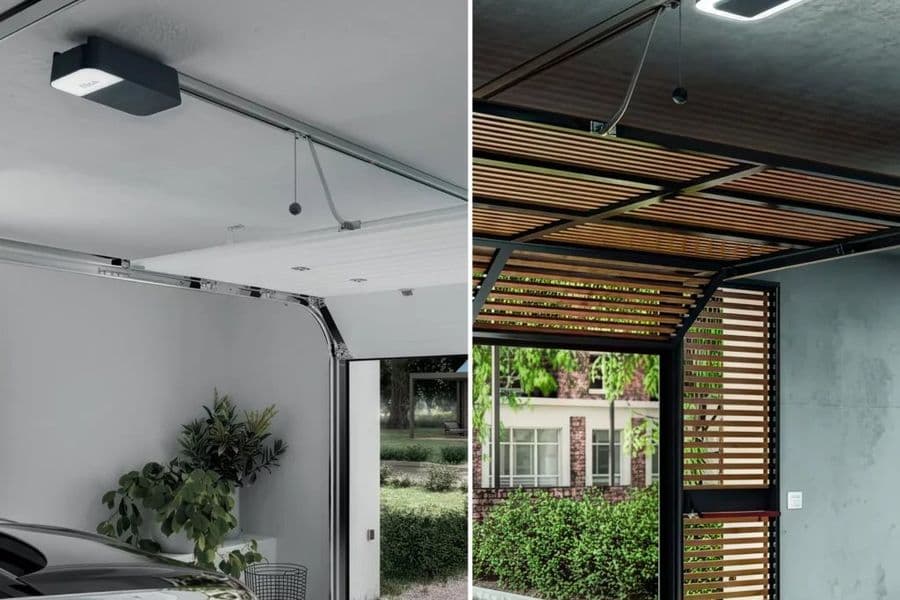
Automatic door operators solve throughput and accessibility at the same time. Sliding operators handle main entrances, lobbies and clinical corridors where hands-free passage matters, and swing operators retrofit existing doors for accessible use. Both need correctly configured safety sensors, a defined behaviour on fire alarm and power failure, and a manual opening mode on escape routes. EN 16005 is the European reference for safety in use of power operated pedestrian doorsets and is routinely cited in Gulf specifications.
Hotels and serviced accommodation have their own logic. Wireless and offline electronic locking removes the cost of cabling every guest room, gives housekeeping and maintenance auditable access, and lets the front desk cancel a lost key instantly. The specification questions are battery life, offline update strategy, mobile credential support and how cleanly the lock talks to the property management system.
Industrial and energy sites in the Eastern Province need hardware that survives the environment and the classification. That means corrosion-resistant finishes and sealed housings for coastal and process areas, and door hardware certified for use in hazardous zones where a standard lock is simply not permitted. We source that hardware rather than improvise around it, because a substitution here is a compliance failure, not a cost saving.
Retrofit is the common Saudi case. An existing hospital, ministry building or bank branch needs its doors upgraded without replacing them, often floor by floor while the building stays open. We survey the actual doors, identify the frames that need preparation, specify the right transfer hinges, loops and power supplies, and plan the work around operating hours rather than assuming an empty building.
Everything at the door has to agree with everything above it. Locks, exit buttons, break-glass call points, door position sensors, request-to-exit devices and door operators are wired back to the access control panel and interlocked with the fire alarm so the building behaves correctly in an emergency. We document that interlock and test it at commissioning, in front of the consultant, because that is the part that gets audited.
We supply the full ironmongery and electronic locking package to consultants as a scheduled door-by-door submittal, deliver to the construction programme for contractors, and support facility teams afterwards with spares, replacement power supplies and maintenance from Al Khobar and Riyadh.