Solutions
Access Control & Time Attendance
Who may go where, and a record of when they were actually there
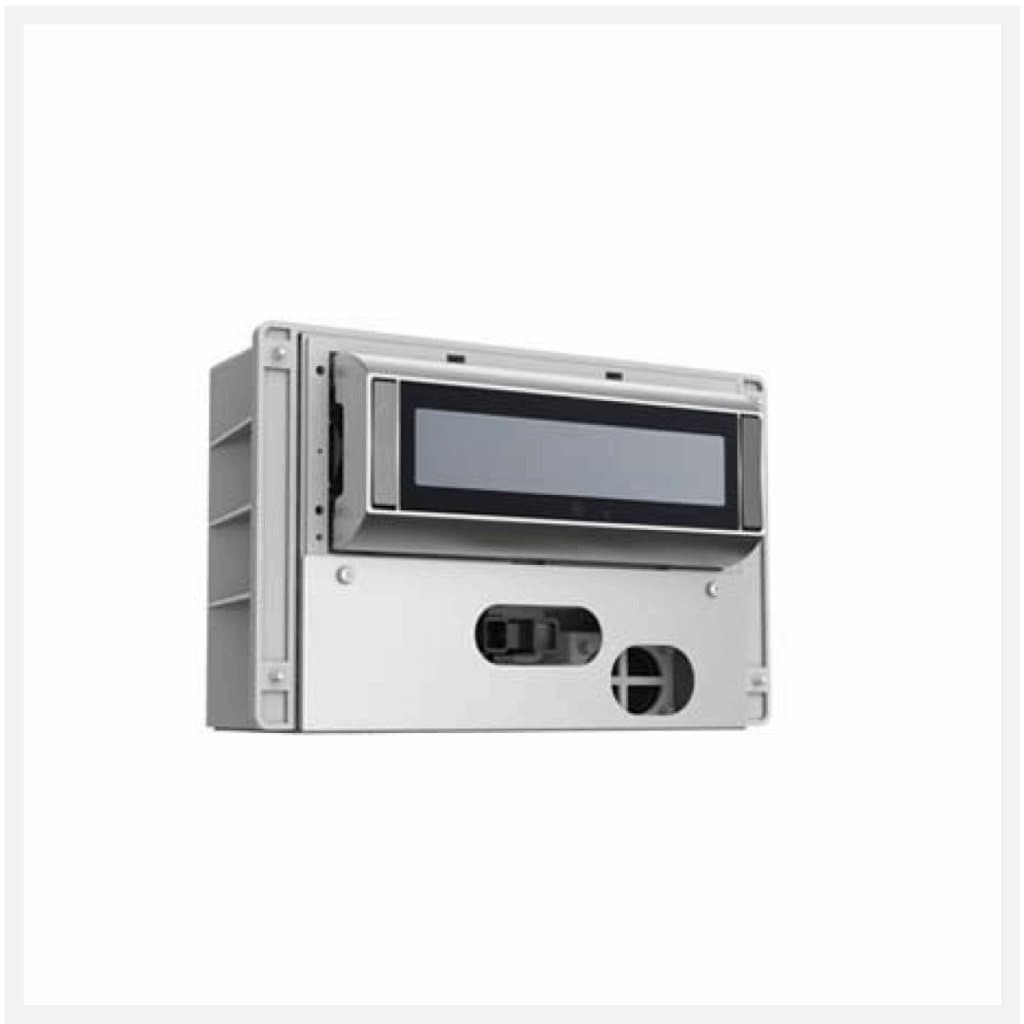
Readers, controllers, credentials, biometrics, visitor management and time attendance built into one auditable system. Designed, installed and maintained for Saudi facilities from Al Khobar and Riyadh.
Most buildings do not have an access control problem; they have an access control record problem. Cards are shared, leavers keep working credentials, contractor passes never expire, and nobody can produce a reliable answer to who was in the building at a given hour. The value of a properly designed system is the answer to that question, on demand and in a form an auditor accepts.
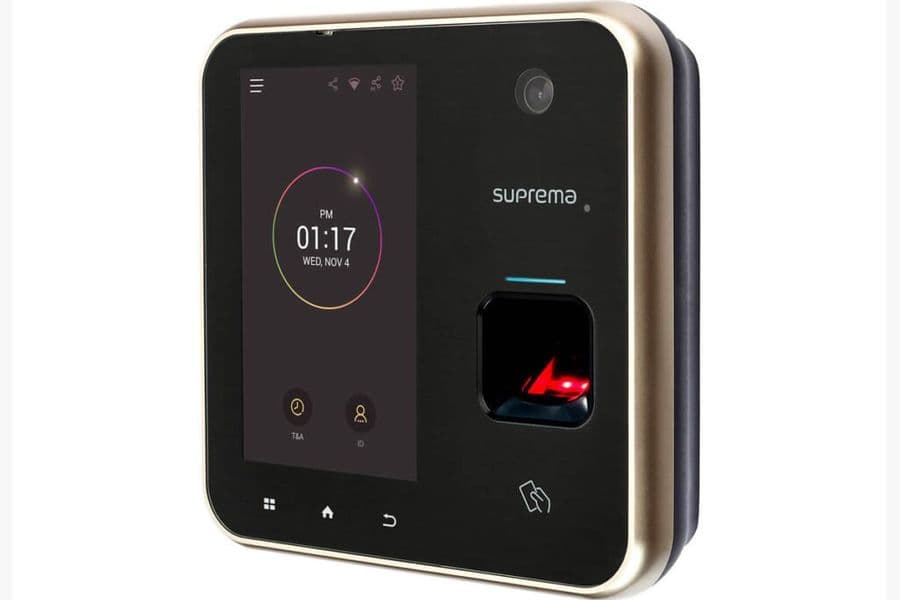
Credentials are a real security decision, not a procurement detail. Legacy 125 kHz proximity cards are trivially cloned with equipment bought online. Modern encrypted smart card technology, mobile credentials on a phone, and biometrics each raise that bar in different ways, and each has a different failure mode. We set out the trade-offs plainly so the choice is deliberate and documented in the specification rather than inherited from the last project.
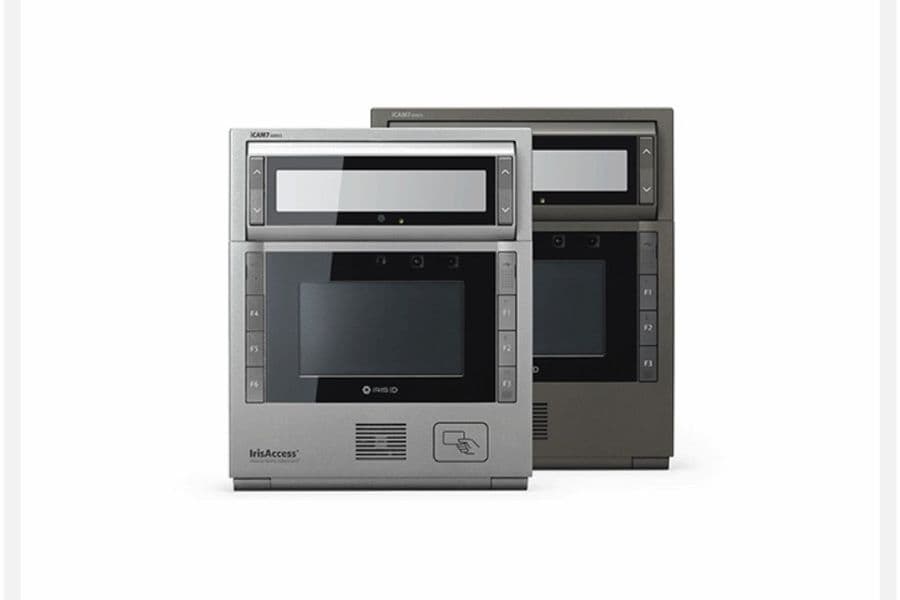
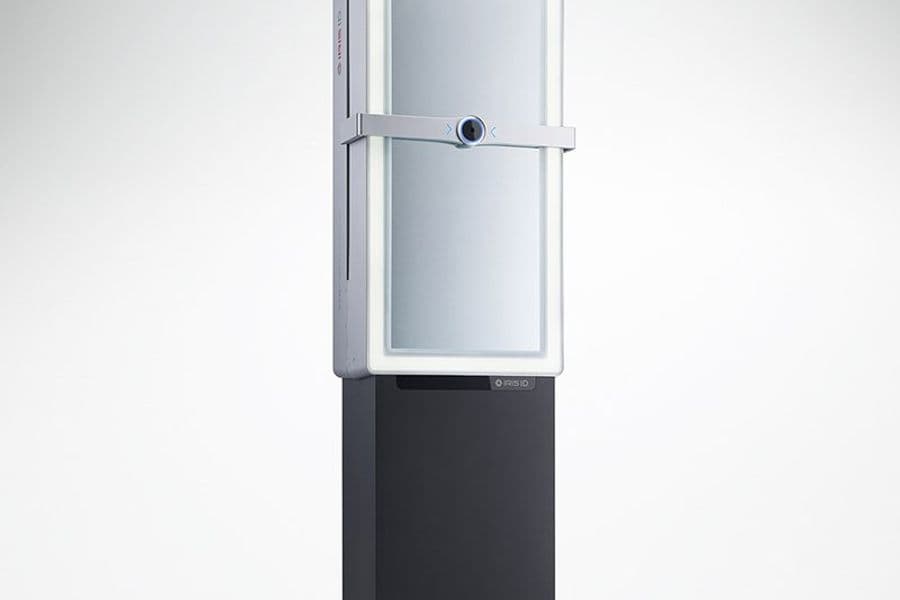
Biometrics answer the shared-credential problem directly, because a face or an iris cannot be handed to a colleague. Face recognition suits high-throughput, hands-free lanes. Fingerprint remains cost-effective indoors. Iris recognition holds up where hands are gloved, dirty or damaged, which is why it appears at industrial and energy sites. Enrolment quality, failure-to-acquire rates and template privacy all need to be settled before a single reader is ordered.
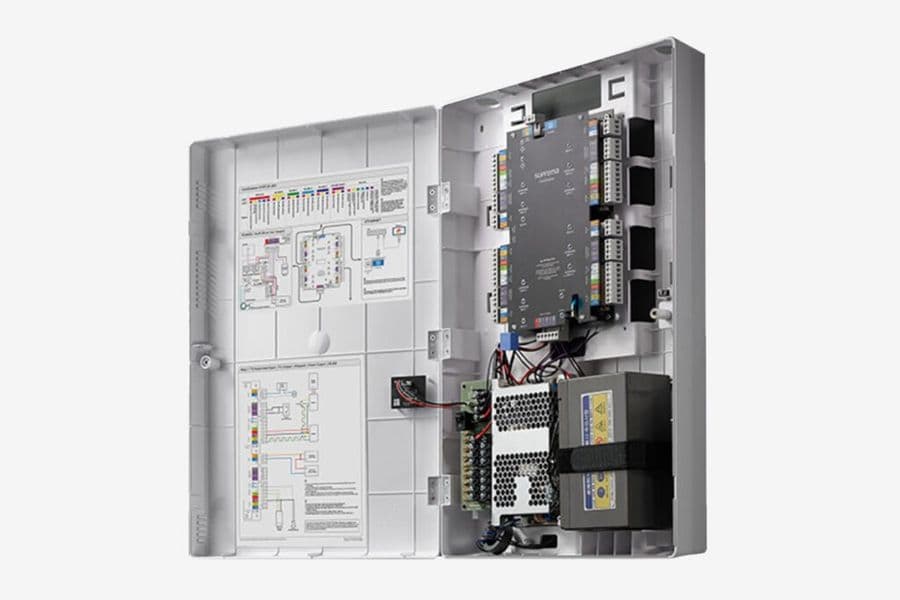
Controllers and topology determine how the system behaves when the network does not. A good design keeps door decisions local to the controller so a network outage does not unlock or lock down a building. Power supplies, battery autonomy, cable routes, fire alarm interfaces and the boundary between IT and security ownership should be agreed at design stage, because they are almost impossible to renegotiate at handover.
Time attendance is where the system pays for itself. When the same passage that opens a turnstile also records a shift start, payroll stops being built from paper sheets and supervisor memory. Rosters, overtime rules, shift patterns, leave and exception reporting all become data, and the finance and HR teams get an export they can reconcile. On labour-intensive sites this is usually the strongest commercial case for the whole project.
Worker accommodation, construction compounds and industrial sites in the Kingdom have particular requirements: very large headcounts, high staff turnover, contractor and subcontractor populations that change weekly, mandatory safety induction before site entry, and bus or transport manifests. The system has to enrol and revoke people quickly and at volume, and enforce induction validity at the turnstile rather than in a spreadsheet.
Visitors and contractors deserve the same discipline as employees. Pre-registration, host approval, identity capture, temporary credentials with an automatic expiry, and a live on-site roll call for evacuation are all standard capability now. An evacuation list that is accurate is one of the few security outputs that a safety officer will use every drill.
We handle the full delivery: survey and design, submittals a consultant can approve, containment and power coordination with the contractor, installation, integration with entrance control, CCTV, lifts, HR and payroll systems, commissioning, administrator training, and a maintenance agreement with defined response times.